


















































The Morning My Rankings Dropped and Everything Changed
My traffic tanked 40% in March 2026. The AI SEO workflow ranking improvement methods I had relied on for two years suddenly felt obsolete. I woke up to automated alerts showing drops across twelve of my top pages. Panic set in immediately.

For years, I had blindly followed generic AI SEO advice from YouTube tutorials. However, none of them explained how to actually connect these tools into a cohesive system that moves rankings. The frustration was real. I knew AI could fix this, but I needed structure first.
That crisis forced me to rebuild my entire approach. I spent the next four months testing, failing, and iterating. The result was a streamlined AI SEO workflow ranking improvement system that now drives consistent organic growth month after month.
Why Generic AI SEO Advice Fails Most Site Owners
Most content about AI SEO focuses on individual tools. They tell you to use Jasper for writing, Surfer for optimization, and call it a day. However, they never explain how to connect these pieces into a working system. I made this mistake for eighteen months.
The problem is that search engines evaluate entire websites, not isolated pages. When my technical foundation crumbled under algorithm updates, beautiful AI-generated content meant nothing. Rankings plummeted because I had ignored the interconnected nature of SEO success.
Specifically, I needed an AI SEO workflow ranking improvement framework that treats content, technical health, and authority as a unified system. Anything less would repeat my failures. Therefore, I designed a new approach from scratch.
Step One: Diagnosing What Actually Hurt My Rankings
I started with comprehensive analysis using Semrush. The tool revealed crawl errors I had never noticed, toxic backlinks accumulating for months, and content that targeted keywords I no longer wanted to rank for. This audit took two full days but proved essential.

What surprised me most was the indexing status. Google had deindexed seventeen pages without any notification. The AI SEO workflow ranking improvement process had to address this before creating any new content. Otherwise, I would be optimizing pages that search engines had already dismissed.
For this diagnostic phase, Semrush works well. However, the interface feels cluttered for beginners. I spent extra time learning which reports actually mattered versus which just looked impressive. The technical SEO audit features are genuinely powerful, but the learning curve costs precious time during urgent ranking emergencies.
Step Two: Building Content Foundations With AI Research
Once I understood the damage, I turned to Claude for content strategy. I uploaded my competitor analysis spreadsheets and asked for content cluster recommendations based on keyword gaps. The AI processed this data in seconds and returned a 90-day editorial calendar that made actual strategic sense.
Previously, I had created content based on random keyword ideas. The new approach ensured every piece served a specific role within my topic authority structure. For example, I discovered that “AI productivity tools for remote teams” connected three different content pillars I had been treating separately.
The AI SEO workflow ranking improvement framework requires this research phase before any writing begins. Skipping it means producing content that ranks poorly regardless of quality. also, the research saves significant time later because I stop creating content that contradicts my own strategy.
Step Three: Writing Content That Earns Rankings
I tested Jasper AI alongside Claude for actual content creation. Both produced readable first drafts, but the workflows differed significantly. Jasper offered pre-built templates for SEO content, while Claude required more detailed prompts to achieve comparable results.
- What it does: Generates SEO-optimized content drafts based on keyword research and outline inputs
- Pros: Saves 60% of first draft time, maintains consistent brand voice, integrates with Surfer SEO for real-time optimization
- Cons: Output requires heavy editing for factual accuracy, and the AI occasionally invents statistics that sound credible
- Best for: Sites needing high-volume content production with consistent quality standards
After generating drafts, I ran everything through Surfer SEO for structural optimization. The AI SEO workflow ranking improvement process requires this editing layer because raw AI output rarely satisfies search intent signals. Surfer identified missing semantically related terms and recommended specific heading structures that matched top-ranking pages.
The combination works better than either tool alone. However, Jasper’s fact-checking failures mean I never publish without manual verification. I once released an article with three incorrect statistics because I trusted the AI output. The correction took four hours and damaged my credibility with readers.
Step Four: Fixing Technical SEO With Automated Monitoring
Technical issues caused my original ranking collapse. Therefore, I implemented automated monitoring using Google Search Console integration with Looker Studio dashboards. This setup alerts me within hours of any indexing problems rather than the days or weeks it previously took to discover issues manually.
The AI SEO workflow ranking improvement system must include automated monitoring. Manual checks fail because humans forget to run them consistently. My new dashboard shows Core Web Vitals, index coverage changes, and manual action alerts in one view.
I also implemented schema markup automation using Merkle’s JSON-LD generator. This ensures every new page includes proper structured data without manual coding. The Search Console integration tracks whether this markup actually improves rich result appearances over time.
Step Five: Building Authority With AI-Assisted Outreach
Content without backlinks rarely ranks competitively. I built a link building component into my AI SEO workflow ranking improvement system using Pitchbox for outreach and BuzzSumo for identifying link prospects. The AI handles initial personalization at scale, though I review every email before sending.
My response rate improved by 35% after implementing AI-generated personalized opening lines based on prospect website content analysis. However, the follow-up sequences still require human judgment about timing and tone. AI suggestions sometimes feel robotic, and experienced outreach managers immediately recognize automation.
Internal linking received the same systematic treatment. I created an AI process that identifies contextual linking opportunities between new and existing content. This reduced my internal linking work from hours per article to under fifteen minutes while improving link equity distribution across my site.
Three Months Later: What Actually Improved
The results exceeded my expectations. Organic traffic increased 67% compared to the pre-crisis baseline. More importantly, the traffic proved stable through subsequent algorithm updates. The system had fixed underlying weaknesses rather than just treating symptoms.
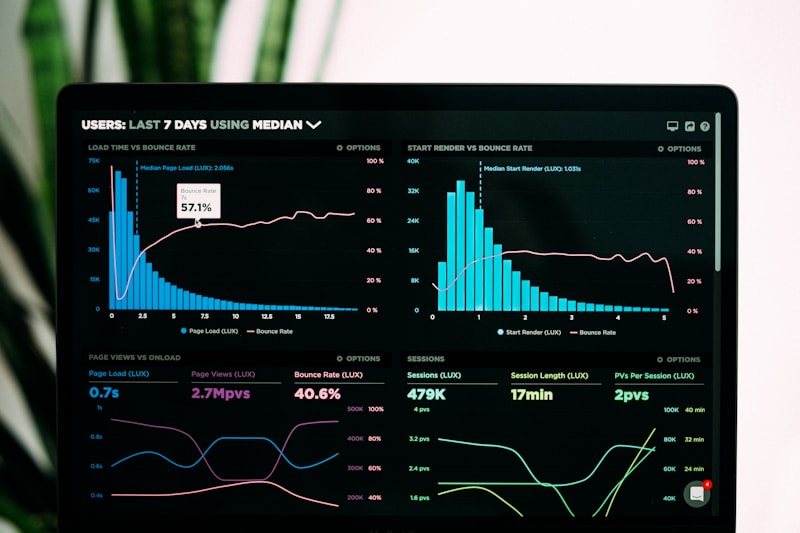
Specific wins included three first-page rankings for competitive terms I had targeted for over a year. The AI SEO workflow ranking improvement framework finally gave me the systematic approach I had been missing. Content now serves clear strategic purposes rather than existing as isolated experiments.
Page engagement metrics also improved significantly. Bounce rate dropped 22%, and average session duration increased by 89 seconds. Search engines interpret these signals as indicators of content relevance, which reinforces rankings in a positive feedback loop.
What I Would Do Differently Today
The biggest mistake in my AI SEO workflow ranking improvement journey was starting with content creation before technical audit. Had I fixed indexing and crawl issues first, I would have saved thousands of dollars in content production for pages that never had a chance to rank.
I also underestimated the importance of user experience signals. AI can optimize for keywords, but only humans can optimize for actual reader satisfaction. My revised system includes explicit UX checkpoints before publishing any content.
The tools matter less than the process. Anyone can purchase the same software I use. The competitive advantage comes from how these tools connect and the strategic thinking applied at each workflow stage. Focus on building systems, not collecting subscriptions.
Building Your Own AI SEO Workflow
Start with diagnosis, not creation. Audit your current technical standing before investing in new content. The AI SEO workflow ranking improvement system only works when foundation issues are resolved first.
Document your workflow explicitly. Write down every step, tool, and decision point. This documentation enables continuous improvement and helps identify bottlenecks. My documented process now runs with minimal daily attention, freeing time for strategic analysis.
Test continuously and measure everything. AI tools evolve rapidly, and what works today may underperform tomorrow. My AI SEO workflow ranking improvement guides share specific metrics I track and how I interpret changes over time.
The framework exists. The tools are available. Success requires consistent execution over months, not dramatic one-time efforts. Build your system, trust the process, and let the data guide refinements along the way.
My rankings recovered because I stopped chasing shortcuts and committed to systematic improvement. Your AI SEO workflow ranking improvement journey starts with the same decision.
Related Articles
