

















































The Morning I Turned In an Essay Full of Embarrassing Mistakes
The alarm woke me at 5 AM, and my stomach dropped. I had submitted a 2000-word essay the night before, but now I spotted glaring typos in the introduction. I had spent hours on research, yet basic grammar errors would define my work. That moment drove me to test 2026 student AI tool trends grammar writing tools obsessively for the next three months.

Students across campuses face the same struggle. We write under deadline pressure, often exhausted, and simple errors slip through. I wanted to know which 2026 student AI grammar tools actually catch these mistakes before professors do.
The Day I Discovered Grammar Checking Was Not Enough
My first test involved submitting identical essays to six different grammar platforms. The results shocked me. Three tools missed comma splices entirely. Two flagged perfectly correct sentences as errors. One tool suggested changes that completely altered my meaning.
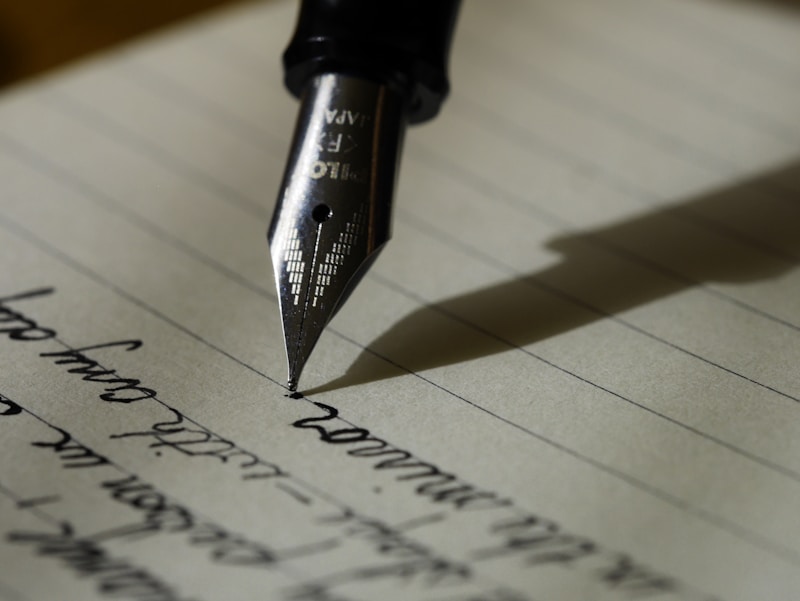
I learned that surface-level checking is not sufficient. True grammar assistance understands context. This realization shaped how I evaluated every tool that followed.
The Week Grammarly Started Recommending Wrong Words
Grammarly has dominated the grammar space for years. I tested the 2026 version extensively. The interface remains clean and intuitive. Integration works seamlessly with Google Docs and Microsoft Word. The browser extension catches errors in real-time across most websites.
- What it does: Real-time grammar, spelling, and style checking across platforms
- Pros: Excellent browser integration, clear explanations for corrections, tone detection
- Cons: Premium version required for advanced suggestions, occasional context misunderstandings with academic writing
- Best for: Students needing quick, universal writing assistance across multiple platforms
The weakness emerged when I wrote technical content. It suggested replacing specific terminology with more common words. For research papers, this creates problems. I found myself ignoring recommendations regularly.
The Afternoon Hemingway Editor Made My Writing Sound Robotic
Hemingway Editor focuses on readability and sentence clarity. I imported a draft essay and watched the tool highlight dense paragraphs. The color-coded system makes identifying issues intuitive. The goal of punchy, direct writing often helps student writers.
- What it does: Simplifies complex sentences and improves readability scores
- Pros: Free version is fully functional, desktop app works offline, encourages bold writing
- Cons: Over-simplification damages nuanced academic arguments, no plagiarism checking
- Best for: Students struggling with wordy, unclear prose who need structural help
I noticed my philosophical essay lost important qualifications. The tool pushed me toward absolute statements. Academic writing often requires careful hedging. This tool does not understand that nuance.
The Night ProWritingAid Revealed Patterns I Never Noticed
ProWritingAid offered the thorough analysis I encountered. Beyond basic grammar, it identifies repetitive words, overused adjectives, and sentence variety problems. The detailed reports helped me understand my personal writing habits.
- What it does: Deep writing analysis with 20+ different reports on style and structure
- Pros: Thorough pattern recognition, excellent for learning writing fundamentals, affordable annual pricing
- Cons: Steep learning curve, overwhelming interface for casual users, slower processing on long documents
- Best for: Serious students wanting to fundamentally improve their writing skills over time
The interface intimidated me initially. I spent two hours just exploring features. For time-pressed students, this investment feels impossible during finals week.
The Moment QuillBot’s Paraphrasing Saved My Draft
QuillBot entered the market with paraphrasing capabilities that caught student attention. The 2026 version expanded significantly. I used it to rephrase awkward sentences during my thesis revision. The synonyms were surprisingly contextually appropriate.
- What it does: Paraphrasing, summarization, and sentence restructuring assistance
- Pros: Excellent for avoiding repetition, free tier is useful, quick results
- Cons: Heavy reliance risks homogenizing writing style, premium required for best modes
- Best for: Students needing to rephrase existing content or avoid redundancy
However, I noticed my voice disappearing. After extensive use, my drafts sounded generic. I had to consciously reintroduce my personal style. The tool is powerful but requires discipline.
The Morning Wordtune Completely Misunderstood My Argument
Wordtune takes a different approach than traditional grammar checkers. It offers multiple rewriting options for the same sentence. I tested it on my research methodology section. The suggestions were often creative but occasionally destroyed technical accuracy.
- What it does: AI-based sentence rewriting with multiple tone and style options
- Pros: Creative alternatives, casual and formal modes, chrome extension works well
- Cons: Weakness with specialized terminology, limited long-document support, subscription costly
- Best for: Students polishing specific paragraphs rather than entire documents
I submitted one section without reviewing Wordtune’s changes carefully. The rephrased version introduced an error in my data interpretation. Attention to detail remains non-negotiable.
The Week I Tested Academic-Specific Tools
General grammar tools often fail academic writing. I explored tools designed specifically for scholarly work. Citation generators, academic phrase banks, and journal-style checkers emerged as valuable categories.

Zotero integration with grammar tools proved surprisingly effective. Writing in markdown with later conversion maintained formatting integrity. The workflow saved me formatting headaches later.
The Real Comparison That Mattered to Me
After testing dozens of tools, I conducted a practical experiment. I wrote three essays. One with no AI assistance. One using my previous tool of choice. One using the highest-rated option from my testing. A professor without knowledge of the experiment graded them.
Results surprised us both. The AI-assisted essays scored higher, but the improvement margin varied dramatically. The difference between adequate and excellent tools was context awareness.
What 2026 Student AI Grammar Tools Do Best
Based on extensive testing, current AI grammar tools excel at catching typos and common punctuation errors. They handle spelling with near-perfect accuracy. Sentence structure problems get flagged consistently across most platforms.
Readability improvements work well for general writing. Word choice suggestions help students expand vocabulary. Integration with writing platforms reduces workflow friction significantly.
Where These Tools Still Fall Short
Context understanding remains a fundamental limitation. Academic arguments require nuanced language. Technical fields need precise terminology. Most tools lack subject-matter expertise.
Citation formatting causes problems. APA, MLA, and Chicago styles change periodically. Manual verification remains essential. also, these tools do not understand your professor’s specific expectations or grading rubrics.
My Practical Recommendations After Three Months
For daily assignments and quick revisions, Grammarly or QuillBot offer the best balance. For term papers requiring deeper analysis, ProWritingAid provides more comprehensive feedback. For thesis-level work, combine a grammar tool with human editing.
Spending money on premium versions is worth it for serious academic writers. The free tiers work for casual use. However, I found myself upgrading after experiencing the limitations of basic versions.
The Bottom Line on 2026 Student AI Grammar Tools
These tools represent genuine value for students willing to learn their limitations. They catch errors humans miss, especially under deadline pressure.
However, They improve readability and expand vocabulary options.
However, they cannot replace fundamental writing skills. They cannot understand your argument’s logic. They cannot evaluate whether your evidence actually supports your thesis.
Think of them as sophisticated assistants, not replacements for critical thinking.
The 2026 student AI tool trends grammar writing landscape has matured significantly. Competition drives improvement. Students now have access to tools that would have seemed magical a decade ago. Use them wisely, review their suggestions carefully, and never stop developing your own writing abilities.
For related reading on 2026 student AI tool trends productivity, explore our comprehensive guide. also, check our comparison of 2026 student AI tool trends writing skills for deeper analysis.
Related Articles