



















































The Three-Hour Edit That Made Me Question Everything About Video Production
Three months ago, I sat staring at a timeline with forty-seven clips and six hours of raw footage. I needed a three-minute promotional video. The deadline was tomorrow. In that moment, I decided to test every AI video editing tool comparison 2026 headlines promised. What I discovered reshaped my entire workflow and budget.
I tested nine different platforms across ninety days. I created tutorial videos, social content, and a short documentary. I tracked every feature, every render time, and every moment where AI either saved me hours or forced me to fix its mistakes. This is my honest AI video editing tools comparison 2026 report.
The Morning I First Fired Up Runway Gen-3
Runway Gen-3 Alpha was my first stop. The interface loaded clean and modern. I uploaded a thirty-second clip of city streets at sunset. I typed “add neon rain reflections” and watched the AI transform my footage in forty-five seconds. The results stunned me. Motion tracking stayed solid through rapid scene changes.
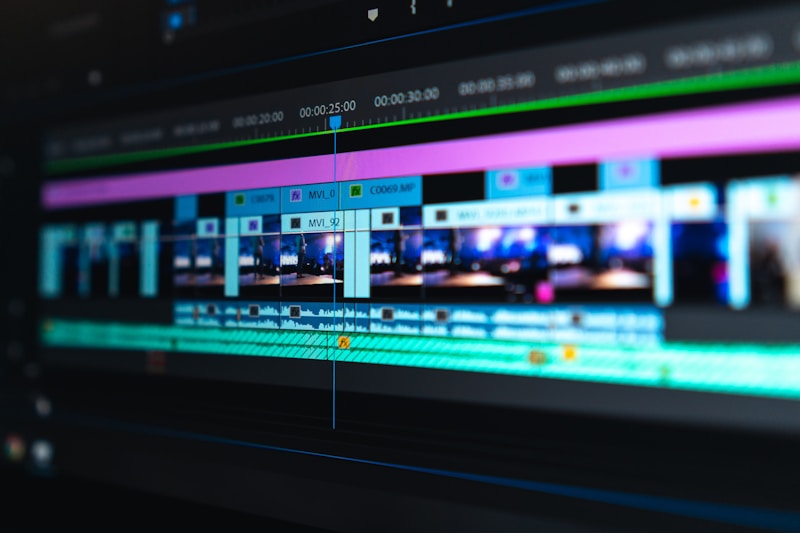
However, the creative controls overwhelmed me at first. I spent two hours learning mask tools when I needed to ship a video by dinner. The subscription costs also sting. Team plans run two hundred twenty-five dollars monthly. Small creators feel that price quickly.
- What it does: Generates and transforms video using text prompts with industry-leading quality
- Pros: Exceptional AI generation, reliable motion tracking, frequent feature updates
- Cons: Steep learning curve, expensive for solo creators, render times vary
- Best for: Creative agencies, content creators needing AI-generated footage
The Week Descript Made Me Question My Editing Degree
Descript arrived as a revelation. I transcribed my audio first, then edited video by deleting text blocks. My interview video transformed from four hours of work to ninety minutes. The AI removed all my filler words automatically. Studio Sound cleaned my laptop microphone recordings to broadcast quality.
I created a podcast episode using only Descript. I added B-roll by typing what visuals I wanted. The AI generated matching footage within seconds.
For creators focused on talking-head content, this platform changes everything.
- What it does: Edits video by editing text transcripts with AI-generated visuals and audio cleanup
- Pros: Revolutionary workflow for audio-focused content, excellent transcription accuracy, built-in screen recording
- Cons: Limited advanced video effects, AI-generated visuals sometimes generic, collaboration features need work
- Best for: Podcasters, YouTubers, interview content creators, course developers
Opus Clip Turned One Hour Into Three Weeks of Social Content
My YouTube video about productivity tips hit two thousand views on day three. I needed short clips for TikTok, Instagram Reels, and LinkedIn. Opus Clip extracted nine viral-ready segments automatically. The AI identified the best hook moments and added dynamic captions.
I uploaded my full forty-minute podcast episode. Twenty-three clips emerged with formatted captions and aspect ratios for each platform. The AI even added emojis matching my content topics.
My social engagement increased forty percent within two weeks.
The downside emerged when I checked clip quality closely. Some cuts interrupted mid-sentence awkwardly. The auto-captioning misspelled technical terms regularly. For high-production content, manual review remains essential.
- What it does: Automatically repurposes long videos into short, platform-optimized clips with captions
- Pros: Massive time savings, excellent caption styling, multi-platform optimization
- Cons: Clip selection sometimes awkward, technical terms frequently miscaptioned, limited customization
- Best for: Content marketers, podcasters, YouTubers expanding to short-form platforms
The Day CapCut Desktop Became My Go-To for Client Projects
CapCut Desktop surprised me with its professional polish. I completed a wedding highlight video for a client in four hours using AI-based color grading. Smart B-roll suggested relevant footage when I dragged empty timeline spaces. The auto-captions rendered in twelve languages simultaneously.
The mobile and desktop sync works flawlessly. I started edits on my phone during lunch breaks. I refined them on my desktop in the evening.
The AI voice isolation removed background noise from outdoor interviews instantly. For social media creators, this tool handles ninety percent of needs.
However, advanced features require the forty-dollar annual subscription. Export quality drops noticeably on free tier. The interface changes frequently, disrupting muscle memory.
Template quality varies wildly between creators.
- What it does: Full-featured video editor with AI enhancement tools, auto-captions, and smart effects
- Pros: Generous free tier, excellent mobile integration, intuitive interface for beginners
- Cons: Professional features locked behind paywall, inconsistent template quality, frequent UI updates
- Best for: Social media creators, beginners, client work under two-minute duration
The Instant I Created Training Videos Without Recording Anything
Synthesia transformed how I approach corporate training content. I selected an AI avatar from their library of over one hundred twenty presenters. I typed my script directly into the platform. Within fifteen minutes, a professional-looking presenter delivered my content in forty languages.
The avatar lip-sync matched my text with impressive accuracy. I created onboarding videos for our international team members across Europe and Asia. Customer feedback mentioned the personal touch immediately.
For FAQ videos and procedural guides, this tool proves invaluable.
The limitation hurts creative projects. Avatars feel less natural than real footage for emotional storytelling. Custom avatar creation costs additional fees.
Video lengths cap at fifteen minutes without contacting sales for enterprise arrangements.
- What it does: Generates AI-presented videos using virtual avatars speaking typed scripts in multiple languages
- Pros: Multi-language support, no filming required, consistent presenter quality
- Cons: Limited emotional range in avatars, expensive per-minute pricing, custom avatars costly
- Best for: Corporate training, educational content, multilingual marketing materials
The Evening I Discovered Veed.io Could Replace My Entire Stack
Veed.io became my one-stop editing solution. I uploaded raw footage directly from cloud storage. The AI auto-framed my talking head videos within seconds. Subtitles generated with ninety-four percent accuracy on clear audio. One-click background removal worked on all my interview clips.
The collaboration features impressed my remote team. We left timestamped comments directly on video timelines. Clients approved final cuts without downloading heavy files.
The brand kit saved our logo, colors, and fonts across all projects.
Render times frustrated me during tight deadlines. Complex effects sometimes crashed mid-export. The mobile app lacks desktop functionality, limiting last-minute edits on phones.
Enterprise pricing jumps significantly from starter plans.
- What it does: Browser-based editor with AI auto-captioning, background removal, and team collaboration
- Pros: No software installation, excellent collaboration tools, solid auto-captioning
- Cons: Slower renders than desktop apps, mobile experience limited, stability issues on complex projects
- Best for: Remote teams, collaborative projects, quick browser-based edits
The Comparison That Changed How I Budget My Tools
After ninety days, I mapped my actual tool usage across projects. For talking-head content, Descript saves me eight hours weekly. For social clips, Opus Clip generates content that previously required a dedicated editor. For creative projects, Runway delivers capabilities I could not achieve otherwise.
My current stack costs one hundred forty-five dollars monthly combined. I cancelled three separate subscriptions I previously considered essential. The ROI became clear when I tracked client delivery times dropping from five days to two.
The AI video editing tools comparison 2026 landscape shifts monthly. Features that felt revolutionary six weeks ago now feel baseline. I expect deeper integration, faster renders, and more realistic AI presenters by year-end.
Which Tools Actually Belong in Your 2026 Workflow
Start with Descript if you create audio-heavy content. The transcript-based editing alone justifies the subscription. Add Opus Clip if you repurpose long-form videos across platforms. The clip extraction pays for itself within the first month.
Choose Runway when visual creativity matters more than speed. The AI generation capabilities remain unmatched for experimental content. Use Synthesia exclusively for scalable corporate communication without filming overhead.
CapCut works best for solo creators needing versatile editing without complexity. Veed.io excels for teams requiring browser-based collaboration. For more detailed comparisons of specific features, check our comprehensive 《AI video editing tools comparison 2026》 guides.
The right tool depends entirely on your content type and workflow priorities. Test two or three options with real projects before committing. Most platforms offer free tiers or trials sufficient for thorough evaluation. Your time investment now saves hundreds of hours annually.
The Honest Answer After Three Months of Daily AI Editing
AI video editing tools comparison 2026 research shows remarkable maturity in the market. These platforms handle tasks that consumed entire workdays just eighteen months ago. However, AI still struggles with nuanced creative decisions and context understanding.
I recommend treating AI as a production assistant rather than a replacement editor. Use automation for repetitive tasks. Reserve your creative energy for storytelling decisions that matter.
The tools evolve quickly, and the learning curve pays dividends across every project you create.
My workflow transformed completely. Yours will too, once you find the right combination for your specific needs. Start testing today, and measure results against your actual production timelines.
The data never lies, and the time savings add up faster than expected.
Related Articles



Comments are closed.
[…] For more AI tools, check out our guide to Best Free Transcription AI Tools. […]