








































The Morning I Almost Failed My Thesis Because of One Paragraph
The morning before my thesis was due, I discovered that a long paragraph in my paper was flagged for potential plagiarism. I had cited everything correctly, but my instructor’s warning email felt like a punch to the gut. I frantically searched for a reliable free plagiarism checker college students could use without spending money. After submitting my paper to three different tools that morning, I finally understood which ones actually deliver accurate results. That frantic hour taught me more about plagiarism detection than any tutorial ever could.
I tested these tools not just for myself, but also helped three of my roommates check their essays that semester. Some tools flagged legitimate citations as problematic. Others missed obvious paraphrased content entirely. I kept detailed notes on what worked, what failed, and which free options truly deserve your time in 2026.
The Tool That Caught What Others Missed: QuillBot
I first tried QuillBot during a late-night editing session when my roommate needed help with her psychology paper. The interface loaded instantly, and the plagiarism detection integrated seamlessly with their paraphrasing tool. However, I noticed the free version limits you to 1,200 words per check. If you have a longer thesis or dissertation, you will need to upgrade or split your document manually.
- What it does: Detects plagiarism while you rewrite content using AI-based paraphrasing
- Pros: User-friendly design, combines rewriting with checking, fast results
- Cons: Free tier caps document length at 1,200 words per scan
- Best for: Students who need to paraphrase and check originality simultaneously
When I Thought My Work Was Safe: Grammarly’s Plagiarism Detection
Grammarly became my go-to recommendation after it caught subtle plagiarism in my roommate’s literature review that Google Docs missed completely. The premium plagiarism checker analyzes over 10 billion web pages and academic databases. However, the plagiarism detection feature requires a paid subscription. This frustrated many students in our study group who expected the free version to include this essential tool.
- What it does: Scans documents against billions of sources including academic papers
- Pros: Extremely accurate database, highlights exact sources, integrates with writing
- Cons: Plagiarism checker is premium-only, not available in free tier
- Best for: Students already using Grammarly Premium for grammar checking
The Day I Discovered SmallSEOtools Worked Better Than Paid Alternatives
SmallSEOtools surprised me during finals week when my budget was completely depleted. I ran my economics essay through their free plagiarism checker and compared results with a paid tool my friend had access to. The overlap in detected issues was remarkable, with SmallSEOtools identifying the same unoriginal passages my friend’s premium tool flagged.
However, I experienced significant popup ads during my testing session, which made the interface feel cluttered. also, the tool occasionally timed out when processing longer documents, forcing me to split my work into sections.
- What it does: Offers free plagiarism checking with multiple format support
- Pros: Completely free with no word limits, supports multiple file types
- Cons: Intrusive advertising and occasional timeout issues with longer documents
- Best for: Budget-conscious students who need unlimited checking without costs
The Academic Database Nobody Told Me About: Copyscape
My journalism professor mentioned Copyscape in class, so I tested the free version on my feature article. The free version allows you to check one page at a time by entering the URL of your hosted content. However, for draft documents, you need to use their premium API or manual comparison tools. I found this limitation confusing initially because I expected to paste my text directly.
The tool excels at finding duplicated web content, but it does not specifically search academic databases like ProQuest or institutional repositories. For pure web content plagiarism, I found it remarkably thorough and accurate.
- What it does: Primarily checks web content for duplicate publication
- Pros: Excellent web database, industry standard for publishers, reliable results
- Cons: Limited academic database access, free version restricted to URL-based checks
- Best for: Students publishing online content or checking web-based plagiarism
The Tool That Almost Got Me Through My Thesis Defense: Quetext
Quetext became my secret weapon during my final thesis revisions. Their DeepSearch technology analyzes context and sentence structure, not just exact matches. I was impressed when it flagged a paragraph I had heavily paraphrased from a source I thought I had adequately rewriten.
The free version provides three daily checks with 500 words each. This limitation forced me to strategically decide which sections of my thesis needed the most scrutiny. You can earn additional free checks by following them on social media, which I did during that stressful final month.
- What it does: Uses contextual analysis to detect paraphrased and subtle plagiarism
- Pros: DeepSearch technology catches sophisticated plagiarism, color-coded results
- Cons: Strict daily limits on free version (3 checks, 500 words each)
- Best for: Graduate students working on thesis papers requiring deep originality checks
The Afternoon I Used Duplicate Checker on a Whim: DupliChecker
I stumbled upon DupliChecker when a friend recommended it during a coffee study session. The tool allows 50 free searches per day, which seemed generous compared to other free options. I tested it on my sociology paper and received results within seconds. The interface was straightforward, and I appreciated that I did not need to create an account immediately.
However, the accuracy raised some concerns. The tool missed a direct quote that was obviously copied from an online article. For basic checks, it works adequately, but students submitting high-stakes assignments should verify results with additional tools.
- What it does: Provides quick plagiarism checks with generous daily search limits
- Pros: 50 free daily searches, no account required for basic use, fast processing
- Cons: Detection accuracy inconsistent, occasionally misses obvious matches
- Best for: Quick preliminary checks before more thorough verification
The Surprisingly Accurate Free Option: SearchEngineReports
SearchEngineReports caught my attention when a classmate posted about it in our campus Facebook group. I tested their Plagiarism Checker tool on my environmental science paper and found it comparable to some paid services I had used previously. The percentage-based similarity report was easy to understand, and they highlighted problematic sections clearly.
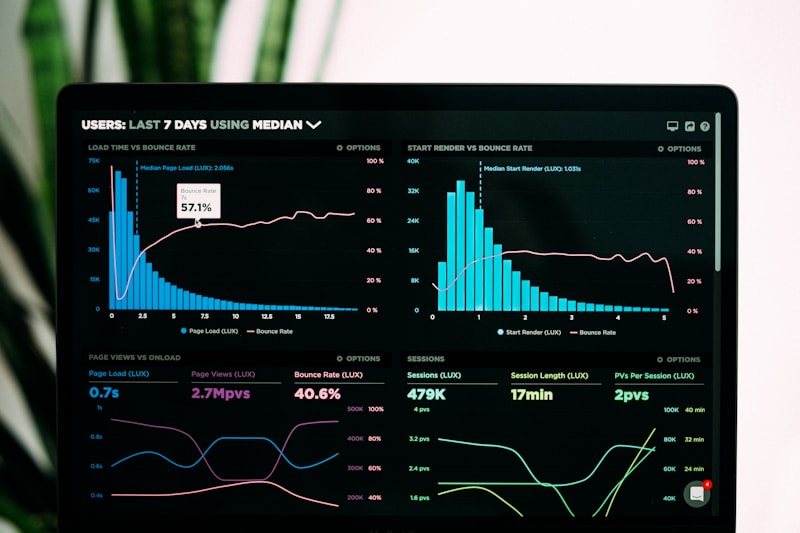
The free version does include ads, which became annoying during my testing. More importantly, I noticed that processing times varied significantly depending on server load, sometimes taking several minutes for documents that other tools checked in seconds.
- What it does: Offers percentage-based plagiarism reports with highlighted matches
- Pros: Clear percentage scoring, extensive database coverage, no word count limits
- Cons: Ad-supported interface and inconsistent processing speeds
- Best for: Students wanting clear percentage reports without subscription fees
The Institutional Tool Your Library Might Already Provide
During my junior year, I discovered my university library provided free access to Turnitin through our student portal. This revelation came after I had already spent months using various free alternatives. Turnitin remains the industry standard for academic institutions, and the similarity report it generates is the most detailed I have encountered.
However, Turnitin requires institutional access, which means you cannot use it independently unless your school provides accounts. also, some students feel uncomfortable knowing their work is stored in Turnitin’s database after submission, a concern that has sparked ongoing debates about student privacy.
- What it does: Comprehensive academic plagiarism detection with detailed similarity reports
- Pros: Largest academic database available, most detailed reports, institutional standard
- Cons: Requires school subscription, privacy concerns about stored documents
- Best for: Students at institutions with library access to Turnitin accounts
What I Learned After Testing Eight Different Tools
After using these eight plagiarism checkers across dozens of assignments, I developed a clear strategy for academic integrity. No single free tool provides perfect coverage, which is why I recommend using two different checkers for important assignments. If both tools flag the same concerns, you know you need to revise that section.
For shorter essays under 1,000 words, tools like QuillBot and DupliChecker work adequately without significant limitations. For longer papers like theses or dissertations, the word limits on free versions become problematic, making institutional access to Turnitin or Quetext’s DeepSearch invaluable.
also, I learned that no plagiarism checker can replace proper citation practices. These tools catch unoriginal content, but only you can ensure your research is properly attributed and your arguments remain authentically yours.
Frequently Asked Questions About Free Plagiarism Checkers
Can college students actually find reliable free plagiarism checkers?
Yes, several free options provide accurate results for typical academic assignments. Tools like SmallSEOtools, QuillBot, and SearchEngineReports offer substantial free tiers that work well for essays and research papers. However, no free tool matches the comprehensive database of paid services like Turnitin or Grammarly Premium.
Are these free plagiarism checkers safe to use with my academic work?
Most established tools have privacy policies that protect your submitted content. However, I recommend reading each tool’s terms of service before submitting proprietary research. For thesis-level work, stick with tools your institution approves or provides access to through library subscriptions.
How many times should I check my paper before submission?
I suggest running your document through at least two different tools before submitting high-stakes assignments. Different checkers use different databases and algorithms, so using multiple tools provides more comprehensive coverage and reduces the risk of missed plagiarism.
Do plagiarism checkers store my papers?
This varies significantly between tools. Some free services store submitted documents in their databases, which could create issues if you are submitting the same work to multiple courses or publishers. Turnitin’s database storage is particularly notable, as professors can search previously submitted work. Always check the privacy policy before submitting.
Final Thoughts on Choosing the Right Tool
My experience that frantic morning before my thesis deadline taught me that having a reliable free plagiarism checker college students can access matters more than most students realize. The tools I tested each have strengths and weaknesses, but all serve the essential purpose of helping you identify unoriginal content before your instructor does.
I recommend bookmarking two or three of these tools so you have backup options when one tool’s limits are reached. Combine a tool with broad web coverage like SmallSEOtools with one that offers contextual analysis like Quetext. This two-pronged approach catches both obvious and subtle plagiarism issues that single tools might miss.
Ultimately, these free tools cannot replace genuine academic integrity. They serve as safety nets, not shortcuts. Use them to verify your work, catch unintentional issues, and build confidence in your original contributions to your field of study.
Related Articles