





































The Morning I Decided to Audit My AI Workflow
I thought I had mastered the AI productivity trap, but my obsession with over-automation failure taught me a harsh lesson. After implementing seven AI tools into my daily workflow, I discovered that working faster actually meant producing less. The constant need for human correction cost me more time than I saved. This experience changed how I evaluate every new AI tool I encounter.

Many professionals fall into the same AI productivity trap I experienced. We chase automation numbers without measuring actual output quality. The result is a workflow that looks efficient on paper but collapses under real-world demands. Understanding why over-automation failure happens matters more than downloading the latest AI assistant.
The Friday Afternoon I Spent Fixing What the AI Broke
My first mistake was treating AI tools as complete replacements for human judgment. I automated content creation, email responses, and scheduling decisions. Each automation seemed successful in isolation. However, the accumulated errors created a massive backlog of corrections.
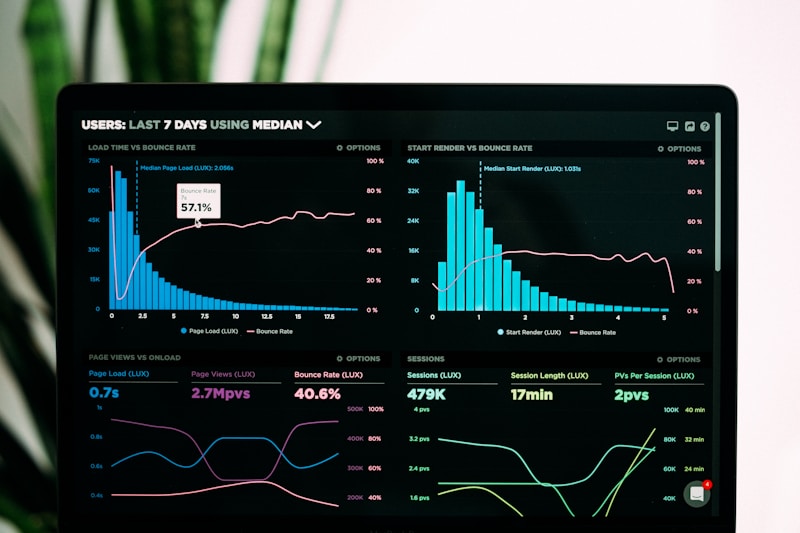
Specifically, my AI writing assistant generated 40 articles monthly. Unfortunately, 12 required complete rewrites due to factual errors. The AI productivity trap became obvious when I calculated correction time: three hours per article versus thirty minutes for the initial draft. My “efficient” workflow actually consumed more hours than manual writing ever did.
The Three Patterns I Kept Repeating Without Noticing
- Tool stacking without oversight: Using multiple AI tools simultaneously creates integration gaps. Data flows between systems without validation, causing cascading errors.
- Ignoring edge cases: AI performs well on standard inputs but fails dramatically on unusual requests. Over-automated workflows break when customers deviate from expected patterns.
- Delayed error detection: Automated processes often complete before errors surface. By the time problems emerge, fixing them requires unpacking multiple automated steps.
Why I Kept Trusting the Automation Anyway
Over-automation failure occurs when we optimize for speed instead of accuracy. AI tools excel at repetitive tasks but struggle with context interpretation. When we remove human checkpoints, small errors compound into significant problems.
For example, I automated my client onboarding emails entirely. The AI system worked perfectly for six months until a pricing change created contradictory messages. Clients received old pricing while confirming new rates. This over-automation failure cost me three clients and required extensive follow-up explanations.
The Moment I Realized the Workflow Wasnt Working
Your workflow likely suffers from the AI productivity trap if you notice these warning signs. First, you spend more time fixing AI outputs than creating original content. Second, quality complaints from clients or colleagues have increased since implementing AI tools. Third, you cannot explain how specific AI decisions were made.

also, if your team has developed workarounds to bypass AI systems, this indicates the AI productivity trap has taken hold. Workarounds suggest the tool creates more friction than value. Recognizing these patterns early prevents deeper workflow damage.
What I Changed After Reviewing Every Step
Selecting AI tools requires measuring correction costs against time savings. Before adopting any automation, define acceptable error rates. For critical tasks, maintain human review loops even when tools appear reliable.
Test new AI tools on small batches before full implementation. Track not just completion time but also correction time required. If correction time exceeds 20 percent of automation time, the tool creates an AI productivity trap rather than solving one.
Prioritize tools offering transparent decision-making logs. When errors occur, understanding why matters more than fixing the immediate problem. Transparent systems help identify whether the AI productivity trap stems from tool limitations or implementation choices.
What I Would Tell My Past Self
The AI productivity trap nearly destroyed my workflow efficiency. Over-automation failure taught me that faster is not always better. Before adopting any new AI tool, calculate both time savings and correction costs. Maintain human oversight for high-stakes decisions even when automation seems complete. Quality output matters more than quantity produced. If you want to learn more about avoiding these common pitfalls, explore our detailed guide on 《AI productivity trap》 and discover how to measure real automation value in our article on 《over-automation failure》.
The Documentation That Saved Me
